
What is a Woman Supposed to Look Like as She Ages?
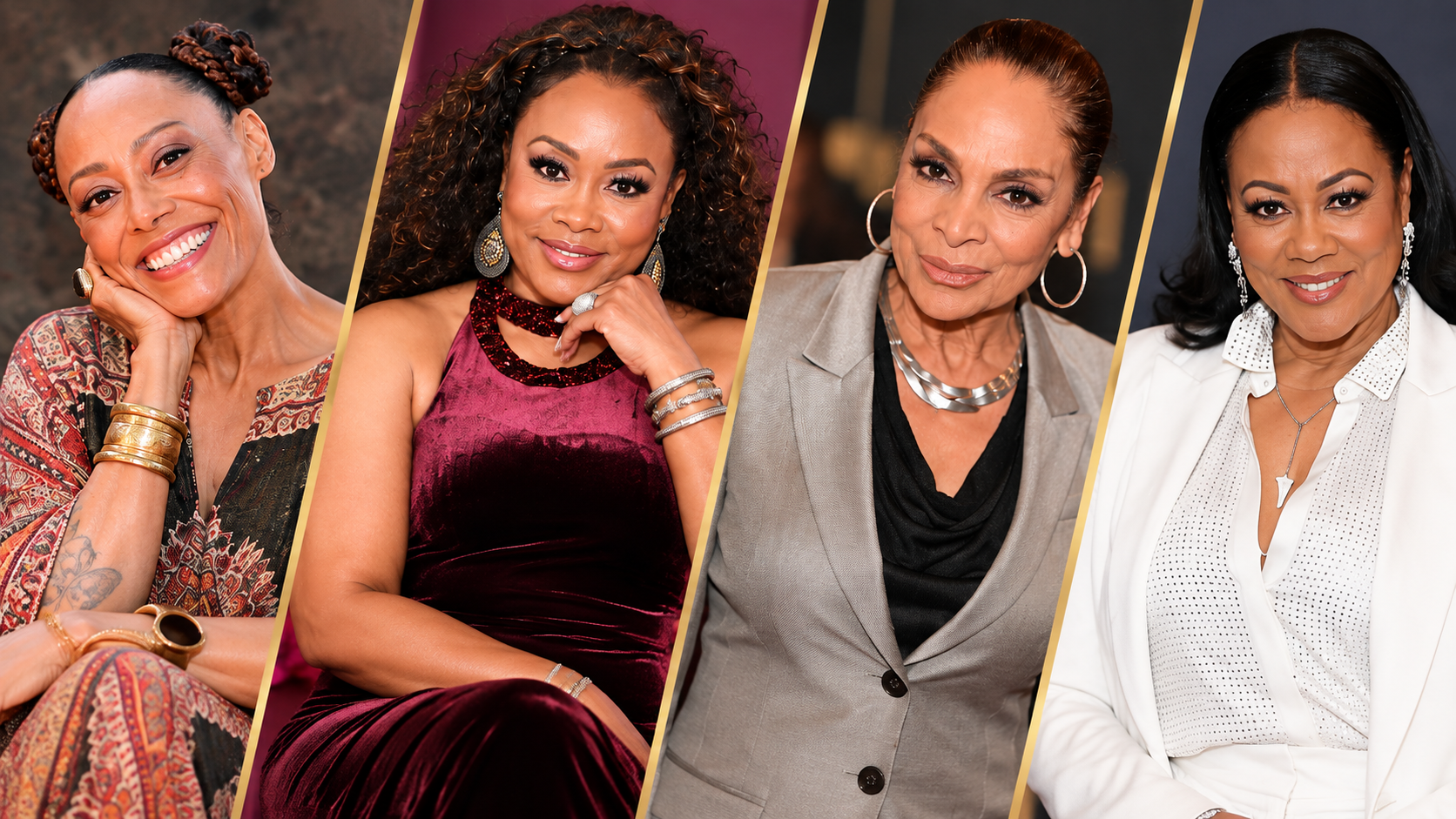
The internet keeps debating how women should look as they grow older. Maybe it’s time we questioned the expectation, not the women.
Every few months, it seems to happen again.
A photograph or video of a woman we remember from television, music, or film appears online. Maybe we first met her when she was 25. Maybe she was 30. Decades have passed, but somehow, the expectation hasn’t.
Within minutes, the comments begin.
She looks different.
What happened to her?
She didn’t age well.
Recently, similar conversations have surrounded women like Jasmine Guy and Lela Rochon — women many of us have watched for decades. And the conversation raises a much bigger question: What exactly is a woman in her 50s, 60s, or 70s supposed to look like?
And perhaps more importantly: Who decided?
We Remember the Woman, But Forget the Years
There is something strange about celebrity culture. We meet people at a particular moment and sometimes freeze them there.
For many people, Jasmine Guy will forever evoke the stylish, confident Whitley Gilbert of A Different World. Lela Rochon remains connected in our memories to the glamour of Waiting to Exhale.
But those images are decades old.
We have changed since then.
Why wouldn’t they?
The young woman in an old photograph didn’t disappear because her face matured or her body changed. She simply kept living.
Yet women are routinely asked, sometimes cruelly, to provide visual evidence that time somehow passed them by.
We celebrate longevity while simultaneously criticizing the evidence of it.
That’s quite a contradiction.
The Impossible Assignment
Women are often handed an assignment they cannot win.
Age naturally, but don’t look old.
Embrace your gray hair, but remain youthful.
Love your changing body, but don’t gain too much weight.
Don’t become obsessed with cosmetic procedures, but don’t show too many wrinkles either.
And if you do choose Botox, fillers, surgery, or other cosmetic treatments? Someone will have an opinion about that too.
So what exactly are women supposed to do?
Perhaps the better answer is: whatever makes that woman feel most like herself.
A woman who loves her silver hair isn’t morally superior to the woman who colors hers.
A woman who embraces every line on her face isn’t necessarily more authentic than the woman who chooses cosmetic treatments.
And the woman who changes nothing doesn’t owe us an explanation either.
Growing older should not require a public defense.
Maybe We Need to Retire “Aging Gracefully”
Even the phrase aging gracefully deserves another look.
We usually mean it kindly. But hidden underneath it can be another expectation.
What does graceful aging look like?
Thin?
Wrinkle-free?
Fashionable?
Physically fit?
Gray but only the gorgeous, perfectly styled kind?
What happens when aging isn’t particularly graceful?
Bodies change. Hormones change. Hair changes. Skin changes. Energy changes. Health can change. Life happens.
Menopause doesn’t ask whether you’re ready.
Neither does grief.
Neither do caregiving, career changes, divorce, grandchildren, loss, new love, stress, healing, or reinvention.
Aging isn’t an aesthetic.
It’s a life experience.
And life can leave evidence.
Why Do We Give Men More Room?
There is another uncomfortable part of this conversation.
We often seem far more comfortable watching men grow older.
A male actor gets gray hair and suddenly he’s distinguished.
His face becomes lined and we call it character.
His body changes and it rarely becomes the headline.
Women haven’t always received that same generosity.
And social media has intensified the scrutiny. We are comparing real, moving, aging human beings not only to photographs from decades ago, but to filtered photographs, edited videos, and carefully curated images.
Sometimes we’re even comparing women to versions of themselves that never quite existed in real life.
That’s an exhausting standard for anyone to meet.
Aging Is About More Than a Face
Perhaps we’ve spent so much time talking about how women look as they age that we’ve missed what may be the most interesting part: Who are they becoming?
What does a woman know at 55 that she didn’t know at 35?
What has she stopped apologizing for?
What has she survived?
What does she finally have the courage to say no to?
What dreams has she returned to?
What has become less important?
What has become sacred?
There is beauty in a smooth face.
But there is also beauty in discernment.
In boundaries.
In knowing when to leave.
In knowing when to stay.
In understanding that rest is not laziness.
In realizing that everybody doesn’t deserve access to you.
In laughing louder.
In loving differently.
In starting over.
In finally recognizing yourself.
Maybe that’s part of the beauty conversation we’ve been leaving out.
There Is No Expiration Date on Becoming
At HOPE, we’ve spent years talking about becoming because we don’t believe a woman’s most interesting chapter automatically happens when she’s young.
Some women find their voice at 45.
Some discover their purpose at 52.
Some fall in love at 60.
Some start businesses, change careers, travel alone, go back to school, rediscover their bodies, become grandmothers, end unhealthy relationships, or finally pursue the dream they kept postponing.
And some women simply become more comfortable being exactly who they already are.
That counts too.
There is no single face of 50.
There is no correct body for 60.
There is no hairstyle for 70.
And there certainly isn’t an expiration date on beauty, sensuality, ambition, joy, or relevance.
What If We Changed the Question?
The next time a photograph of a woman we haven’t seen in years appears online, perhaps instead of asking:
What happened to her?
We could remember the obvious.
Life happened to her.
Years happened.
Joy happened.
Heartbreak may have happened.
Children, careers, marriages, divorces, illness, healing, success, disappointment, reinvention, and ordinary Tuesday mornings happened.
The same things that happen to all of us if we’re fortunate enough to keep getting more time.
Maybe aging beautifully was never supposed to mean looking younger.
Maybe it means having the freedom to look like the life you’ve actually lived.
And perhaps the most radical thing we can do, for ourselves and for the women coming behind us, is stop treating aging as something women need to defeat.
Because the goal was never to remain the woman we were at 25.
The gift is getting the opportunity to meet the woman we’re becoming at 45, 55, 65, 75, and beyond.
So here’s the question we’d rather ask: When you picture yourself aging beautifully, what do you see?
Not what Hollywood says.
Not what Instagram says.
Not what strangers in a comment section say.
What does aging beautifully mean to you?
